
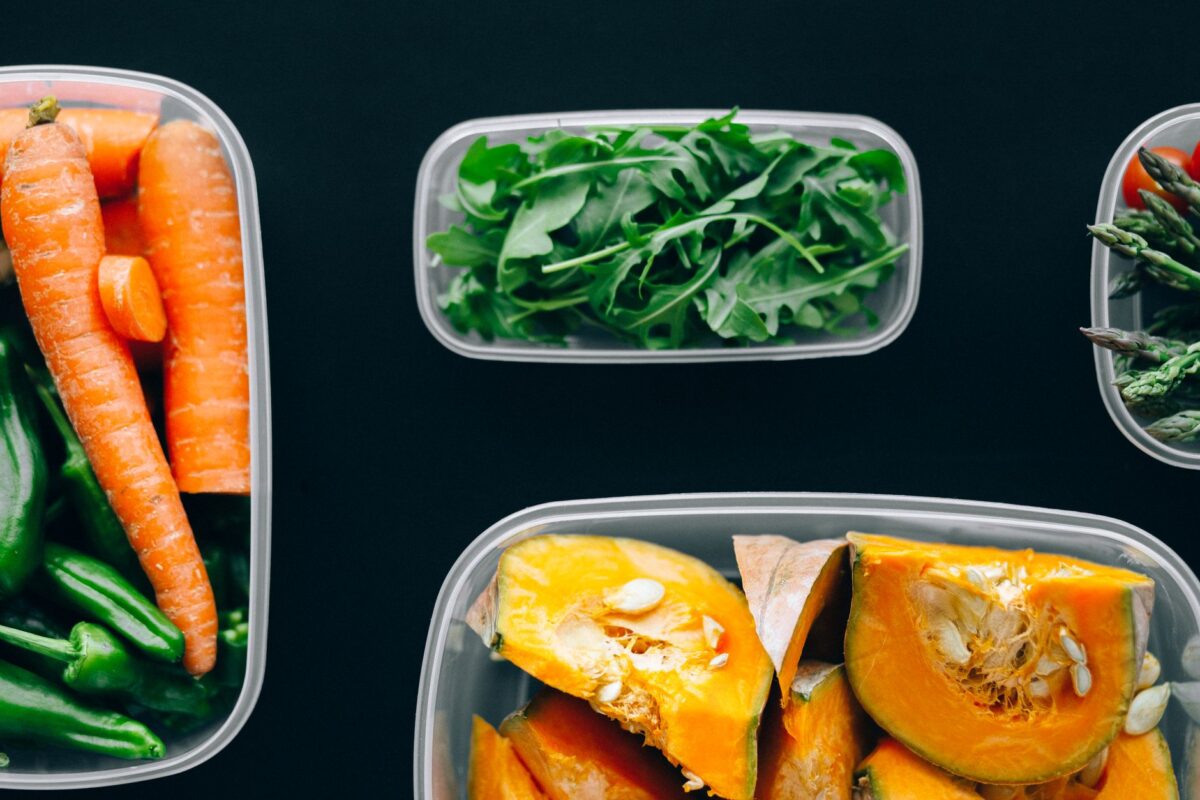
When you hear someone say they are going to meal prep it is very likely that a picture of someone with six matching containers, a labeled spreadsheet, (a flawless looking kitchen buffet to boot), and a Sunday completely sacrificed to the kitchen. I get it. That used to be my mental image too and why I’ve always struggled with it or at least struggled doing it consistently. But a good meal prep guide doesn’t have to eat your whole weekend. With the right plan, you can knock out breakfasts, lunches, and dinners for the entire week in about two hours, and still have time to actually enjoy your day off. (If you’re prepping around a little one’s schedule, our Easy Meal Prep Guide for New Parents has some tricks worth borrowing too.)
What it comes down to isn’t rushing every meal you’re prepping but choosing the right recipes and organizing your time so you’re never just standing around waiting for the oven or air fryer to beep.
Why Weekly Meal Prep Actually Saves You Time (Not Just Money)
The real magic of weekly meal prep is what it does for your future self on a Tuesday night when you’re exhausted and the alternative is either door-dashing something or seeing if you have enough milk left for a big bowl of cereal. When the work is already done, eating well stops being a decision you have to make seven times a day. It becomes automatic.
We shouldn’t discount the mental aspect either. You spend a Sunday afternoon grocery shopping and if you’re like us that’ll cost few hundred dollars with a child but then when you’re in the midst of a busy week, you feel terrible for neglecting the ingredients you bought for ordering in. That can take a toll. Feeling guilty over ordering in is not a good feeling. Frankly, not having to think about what’s for lunch tomorrow, or whether you have ingredients for dinner, frees up a surprising amount of headspace. As registered dietitian Alyssa Post explains, “decision overload happens when your brain has to make too many choices in a day”, and cutting even a few of those choices out of your day is worth just as much as the time you save.
A Simple Meal Prep Guide for Beginners
If you’re new to this like I was not too long ago, the biggest mistake is trying to prep five completely different, complicated recipes in one sitting. That is never going to work as a long term strategy. That’s a recipe, pun intended, for burnout by week two. Instead, think in terms of a formula rather than individual meals.
Pick a Formula, Not Just Recipes
What I started with was something as simple as: one protein, one starch, two vegetables, and one sauce or seasoning blend, mixed and matched across the week. Some meals I didn’t always include each one but it provided a good base to start with. What that allows for is instead of cooking five separate dinners, you’re cooking components that combine in different ways. Roasted chicken thighs become a grain bowl on Monday, a wrap on Tuesday, and a salad topper on Wednesday. Same base ingredients, three different meals. If you’re like me you want something different with each meal.
This is honestly the single best tip I can give anyone doing meal prep for beginners. The name of the game is variety and it comes from how you combine things, not from cooking a completely new dish every single day.
Shop Smart Before You Cook
Ah, grocery shopping. A lot of us have outsourced this to Instacart and the like but it can be bit of an art when it comes to meal prepping. Two hours in the kitchen only works if you’re not also running to the store mid-prep because you forgot the rice. You probably don’t need my advice on how to grocery shop so I’ll keep it simple: plan out the meals you want to prep before you go. Outline the ingredients. Once you’ve finalized that, do an inventory check and write your list based on your formula, not based on scrolling recipes the night before. Buying pre-washed greens, pre-cut veggies, or rotisserie chicken isn’t cheating. It’s part of what makes the two-hour window realistic.
The 2-Hour Game Plan
I personally hate it when I read a recipe and they list the time it takes and it never lines up! So take the two hours here with a grain of salt but I was able to get it in done in two hours with all of my ingredients and all thanks to planning. Here’s where the actual time-saving happens. The order you do things in matters just as much as what you’re making.
The First 30 Minutes: Prep Everything Raw
Start by washing, chopping, and portioning everything before you turn on a single burner. Dice your onions, chop your vegetables, portion your proteins. Getting all the knife work done up front means you’re not stopping mid-cook to prep the next ingredient, which is where most people lose time without realizing it.
The Next 45 Minutes: Cook in Batches, Not One at a Time
This is the part where your oven and stovetop become a team. Get your grains going in a rice cooker or on the back burner. Roast one or two sheet pans of protein and vegetables at the same time in the oven. Use the stovetop for anything that needs more attention, like a sauce or a quick saute. The goal is to have at least two or three things cooking simultaneously at all times, rather than doing everything in a single line.
This is also where a lot of weekly meal prep routines fall apart, because people try to cook everything the exact same way they would for one meal. Batch cooking means thinking bigger. A sheet pan can hold enough chicken and vegetables for four servings just as easily as it holds one.
The Final 30-45 Minutes: Assemble and Store
Once everything is cooked, let it cool slightly, just a few minutes on the counter, before portioning into containers. This step matters more than people think. Packing hot food into fully sealed containers traps steam, which leads to soggy vegetables and watery textures. It also matters for food safety: the USDA notes that “all perishable items should be refrigerated within two hours of coming out of the oven or refrigerator”, so the goal is a brief cool-down, not leaving food out for hours. For more on keeping prepped meals fresh throughout the week, our Food Storage Tips to Keep Leftovers Fresh for Days guide goes deeper on containers, fridge organization, and shelf life.
Label containers if you’re prepping more than one type of meal, and keep sauces or dressings separate until you’re ready to eat. This little step keeps textures fresh and prevents everything from turning into one homogenous mush by day three.
Common Mistakes to Avoid
With anything there’s always something to trip you up but here are somethings to straight out avoid:
- Prepping meals you’re not actually excited to eat, which leads to abandoning the plan by Wednesday
- Not accounting for one or two flexible nights where plans change or you want to eat something fresh
- Overcomplicating the menu instead of leaning on the mix-and-match formula approach
- Skipping the cooling step before sealing containers
- Trying to prep every single meal instead of starting with just lunches or dinners
Of course, you don’t need to prep one hundred percent of your food to get the benefits. Even prepping four lunches and a couple of dinner components is a huge win, especially when you’re still figuring out your rhythm. Start small with 1-2 meals if doing a whole week seems daunting.
Make It Sustainable
The meal prep routines that actually stick are the ones that flex with real life. Give yourself permission to repeat favorite combinations for a few weeks in a row instead of reinventing the menu constantly. Keep a running list of two or three formulas you genuinely enjoy, and rotate through them. This kind of small, repeatable routine fits right alongside our other 4 Daily Health Habits to Follow Today, since consistency tends to matter more than intensity. Meal prep isn’t about perfection or Pinterest-worthy containers. It’s about making your weeknights a little easier and your plate a little more balanced, in whatever way actually works for your life.
Once you find your groove, two hours on a Sunday, or whatever day works for you, starts to feel less like a chore and more like a small gift to your future self.